

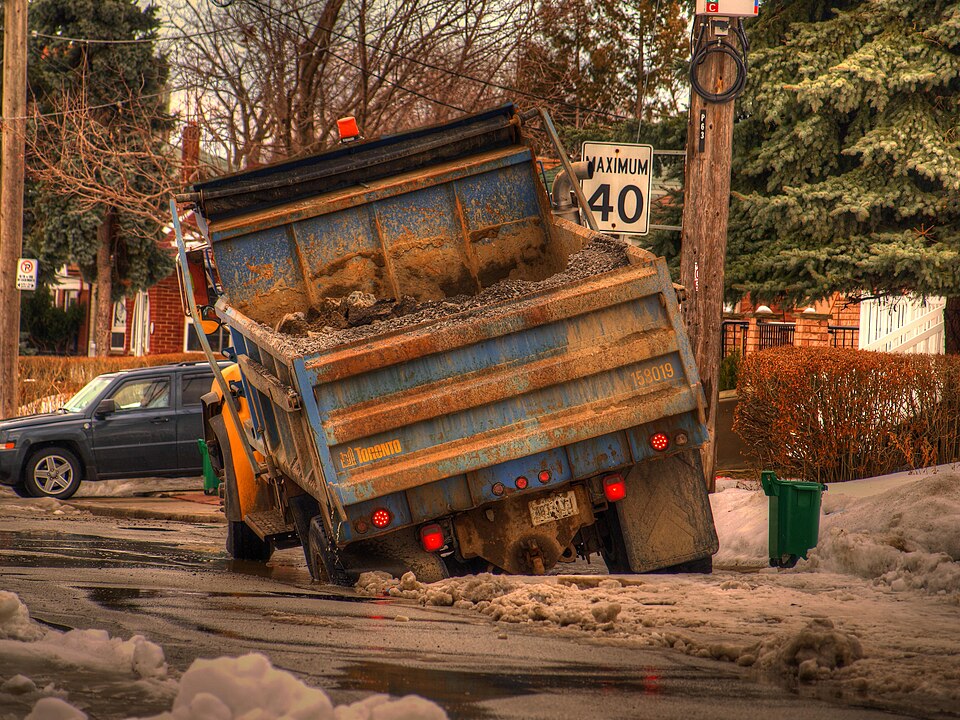
The City of Toronto has launched its third pothole repair blitz of 2026 as officials scramble to address widespread road damage left behind by one of the harshest winters in recent memory. Mayor Olivia Chow announced the initiative on Saturday, revealing that city crews have already filled more than 75,000 potholes since January.
“This has been a brutal winter, and so far this year we have already filled 75,000 potholes,” Chow said at a news conference. She added that the city has increased its road repair budget by 34 per cent compared with 2022, with $6.2 million now allocated toward pothole repairs across all 25 wards.
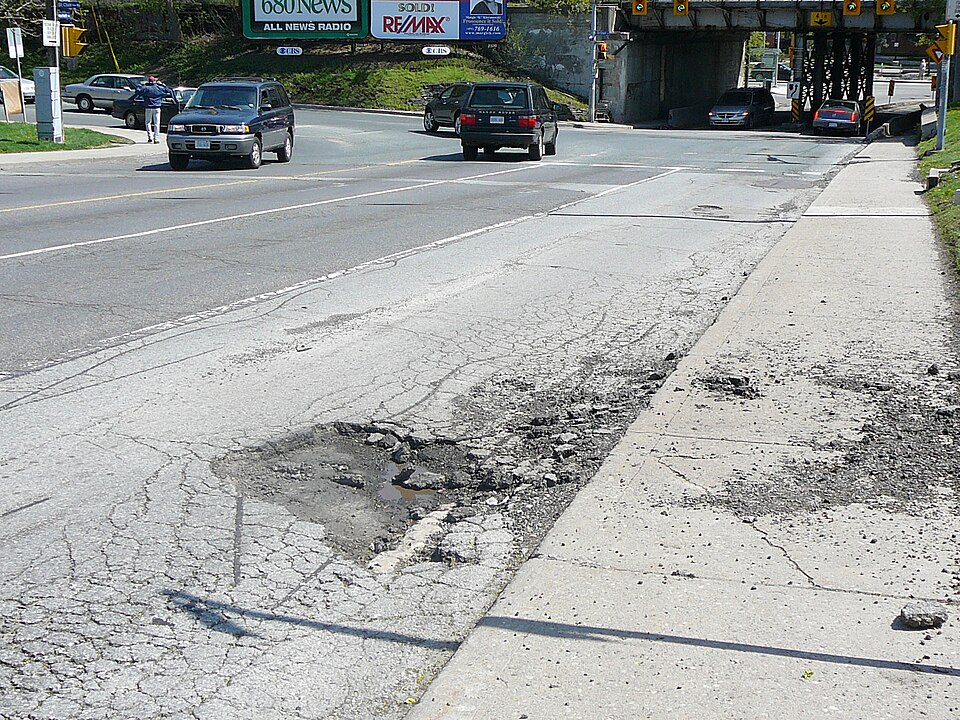
The mayor emphasized that the investment is yielding results, noting that Toronto is filling 44 per cent more potholes than it did four years ago. However, she acknowledged that unpredictable weather patterns have complicated repair efforts throughout the season. “Right now, it is not at all stable. It’s minus five one day and then 10 degrees the next,” Chow explained, adding that freeze-thaw cycles are the primary culprit behind the accelerated deterioration of road surfaces.
February proved particularly challenging for repair crews, as persistent sub-zero temperatures and heavy snowfall limited the number of days when asphalt patching could be effectively carried out. Transportation officials say the backlog from that period is still being addressed.
Beyond simply filling potholes, the city says it is adopting a more comprehensive approach to road maintenance. Crews are now reshaping and preparing road surfaces to improve longer-term durability, rather than applying temporary patches that often fail within weeks. “Just fixing potholes isn’t enough,” Chow said. “We will accelerate the pothole fixes as the weather stabilizes.”
In a notable technological development, the city has expanded its use of artificial intelligence to identify and prioritize repairs. The AI system works in conjunction with the 311 service line, analyzing reports and images submitted by residents to determine the severity and location of road damage. “We have accelerated our AI program through 311 that can detect and identify potholes so we can send a crew,” Chow said.
Residents continue to be encouraged to report potholes through the city’s 311 service, either by phone, online, or through the Toronto 311 mobile app. Officials say that community reporting plays a critical role in directing crews to the most urgent repair sites.
Ward councillors across the city have echoed the mayor’s concerns, with several noting that their offices have been inundated with complaints from frustrated drivers and cyclists. Councillor Josh Matlow, who represents Ward 12, said his office has received hundreds of pothole-related calls since February alone.
The Transportation Services department has confirmed that it will continue operating extended hours through April to clear the backlog, weather permitting. The city is also exploring longer-term solutions, including improved road construction materials that better withstand freeze-thaw cycles, as part of its 2027 capital budget planning.
Source: Global News, City of Toronto

